Site Servicing in Ontario, Step by Step: From Raw Lot to Build-Ready
Servicing looks simple from the road — a few trenches, some pipe, a graded lot. Underneath is a strict sequence of surveys, permits and inspections. Here is the order that works in Ontario, and why it is the order.
Step 1 — Survey, design and locates
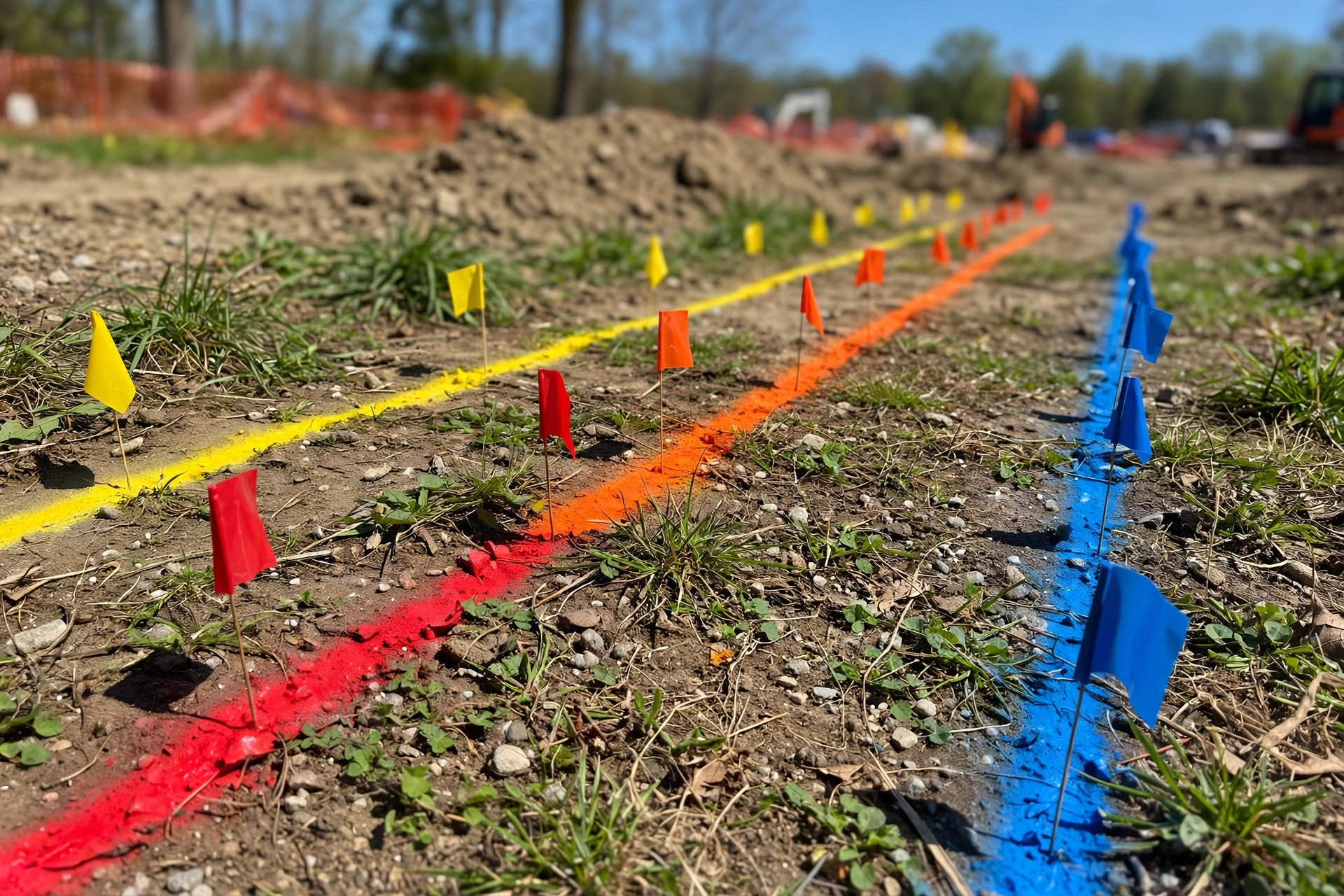
Everything starts from the survey and the servicing/grading design: where the municipal mains are, where services will enter the building, and the finished elevations. Before any digging, underground utilities are located through Ontario One Call — free, and legally required — and private services on the lot are identified with the owner.
Step 2 — Permits and municipal approvals
- Service connection permits from the municipality (water, sanitary, storm)
- Road occupancy / entrance permit for work in the right-of-way
- Hydro service application with the local utility; ESA inspection booked
- Erosion and sediment control in place before earth moves
Step 3 — Underground connections
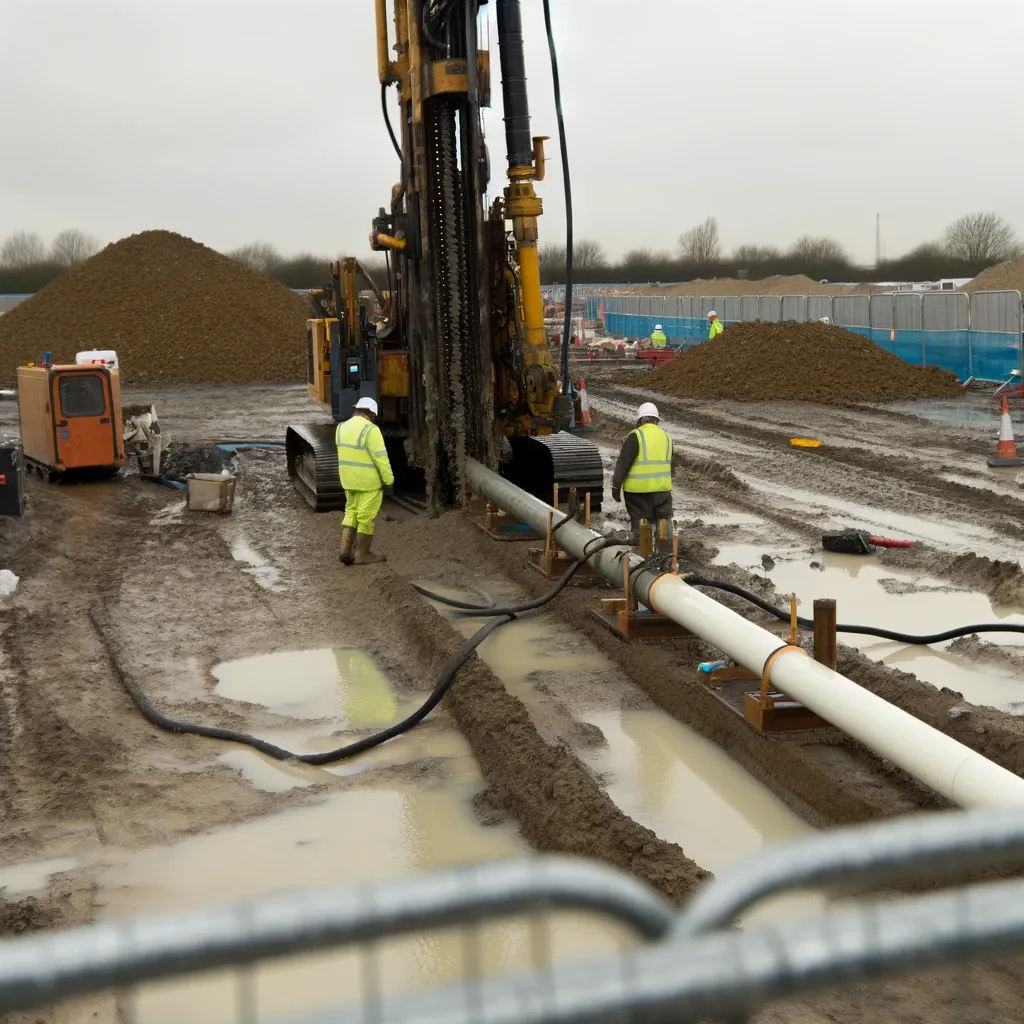
Trenches are excavated, services laid to grade, and the municipal connections tapped at the mains. Each connection is inspected — and pressure-tested where required — before backfill. This is the step that cannot be rushed: once a trench is closed, only the inspection record proves what is in the ground.
Step 4 — Hydro and road access
The hydro duct bank runs to the property line (or transformer pad), and the entrance apron and culvert are built so equipment can reach the site in all weather. Right-of-way surfaces are restored to municipal standard as the work completes.
Step 5 — Grading, certification, handover
Finally the lot is graded to the plan — pad, swales and slopes — and the grading is certified where the municipality requires it. The deliverable is a documented, build-ready lot: as-built service locations, inspection records, and grades the foundation crew can trust.
Starting from a raw lot?
Tell us where the land is and what you plan to build. We'll map the servicing steps for your municipality and sequence them into one schedule.